
Divita Bhandari brings experience in conducting technical, economic and policy analysis on a wide range of electric sector issues to her work as senior associate. She has worked extensively with a variety of stakeholders including consumer advocates, state regulators, utilities and clean energy advocates. She supports the India programme and the Energy Systems Innovation team.
Amongst her prior experience, Divita was a senior associate at Synapse Energy Economics where she participated in multiple regulatory proceedings related to integrated resource planning (IRP), distributed energy resources, and utility infrastructure planning, including providing expert witness services. She led capacity expansion and production cost modelling for IRP processes, as well as energy and capacity price forecasting for avoided cost studies. She played a leading role in developing benefit cost analysis frameworks for valuation of programs and investments that were subsequently adopted by stakeholders in multiple jurisdictions.
Drawing on her power markets expertise at REsurety, Divita supported clean energy buyers, sellers and investors in identifying new market opportunities and managing existing clean energy portfolios through market forecasting. Earlier in her career, she worked at DNV GL, conducting impact evaluations of energy efficiency and demand response programs and providing actionable recommendations to improve program effectiveness.
Divita holds a degree in electrical engineering from the Georgia Institute of Technology and a Master of Environmental Management from the Yale School of Forestry and Environmental Studies.
Latest Insights from RAP Experts

Utility Service Obligations in the Large Load Era
(This paper is part of the series Data Centers and the Next Era of Energy Regulation. Find… Read More +
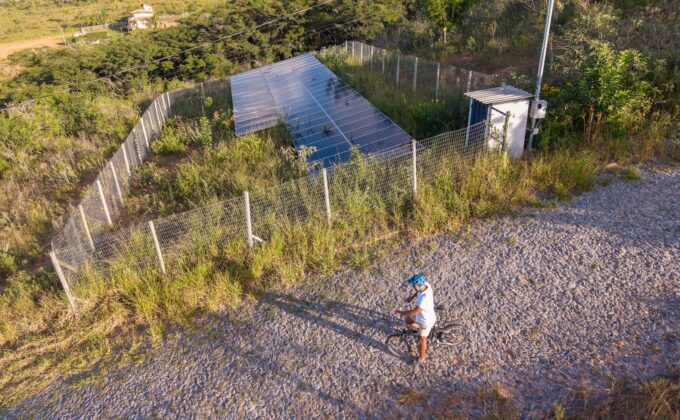
Modernização dos sistemas elétricos isolados do Brasil
Os Sistemas Isolados do Brasil atendem cidades e comunidades, quase todas na Amazônia, que não estão… Read More +
