Filter >>
Content Filter:
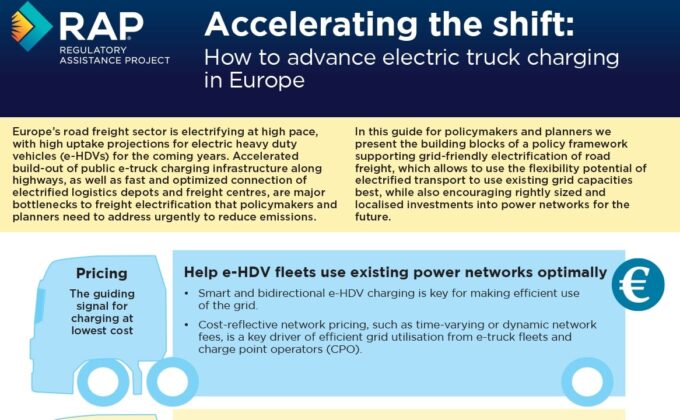
Europe’s road freight sector is electrifying quickly, with strong projections for the uptake of electric heavy-duty vehicles (e-HDVs) in the coming years. But infrastructure isn’t yet keeping pace. Our infographic highlights the major barriers to freight electrification, including the rollout… View Summary +


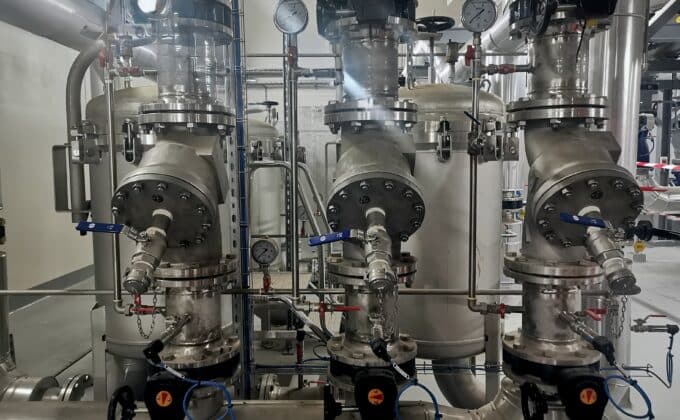
European industry is a very large user of heat: around 1,900 TWh each year for a range of low- to high-temperature processes. Electrification of this process heat has emerged as a key pathway for decarbonisation, resilience and modernisation of industry. View Summary +


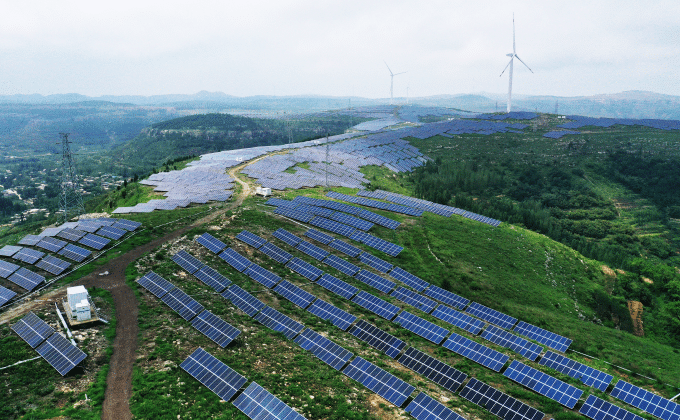
随着中国能源需求的不断增长以及可再生能源的大规模并网,平衡能源供需的挑战将日益增长。在可再生能源主导的电力系统中,保障电力系统安全稳定经济运行面临着全新挑战。电力系统不仅需要满足静态的“迎峰度夏”和“迎峰度冬”中的高峰用电需求,更需要妥善处理日间净负荷波动对电网的影响。解决这些挑战的一个重要手段是拓宽现有思路,积极探索费率设计和需求侧管理等政策的迭代,制定能够反映电网供需变化的动态智能电价体系。自2021年以来,中央和地方政府推动的分时电价政策使电价信号得以更充分地发挥,而这些静态电价设计的灵活性和即时性还可以被进一步完善。其中,完善尖峰电价机制,使其更具备动态性,或许可考虑作为下一步工作方向。 2021年,国家发改委发布了《关于进一步完善分时电价机制的通知》(发改价格〔2021〕1093号),大力推动分时电价,以引导用户调整用能习惯。随后,各省积极推进并细化了分时电价政策、加速促进了电力的灵活使用,尖峰电价机制也在持续完善。然而,大多数省份的尖峰电价机制只是在当前静态分时电价的基础上增加了一个固定的尖峰时段,其执行的电价价位、持续时间,和起始时刻均被提前设定,并且通常按年或季节重新评估和调整。静态的分时电价机制无法充分体现电网的短期(每日甚至每小时)供需波动。 为进一步发挥电价信号作用,引导用户错峰用电,可以考虑持续完善分时电价,在现有的静态电价基础上增加随电网实际情况调整的动态机制(以下称之为动态尖峰电价)。 动态尖峰电价与当前尖峰电价的最大差别在于没有事先确定的起始时刻。其执行方式更类似于需求侧管理,在电网调度预判到未来电力系统供需情况较紧张时,通知电力用户将在紧张时段启用高价的尖峰电价,以此达到重塑用电曲线的目标。其特点在于能够在少数电力供需紧急的时刻通过价格信号调整用电曲线,而其余时段仍沿用静态的分时电价。 在美国,多个电力公司已实行动态尖峰电价。在典型的动态尖峰电价机制下,区域调度中心预测到未来的电力系统供需情况较紧张时会提前通知电力用户将会启用尖峰电价。用户可自行选择减少第二天的能源消耗以节省开支,或照常用电并支付尖峰电价。大部分电力公司会根据日前预测决定第二日是否启用动态尖峰电价,也有少数允许只提前数小时通知。与国内现有的尖峰电价相似,不少电力公司只在冬夏两季触发尖峰电价,但也不乏有电力公司选择半年甚至全年执行动态尖峰电价。 动态尖峰电价具有较高的设计自由。大部分为“定时定价”,即动态尖峰电价在一天中的执行时段和价格不变,区别只在于是否启用。还有小部分电力公司制定“定价不定时”模式,动态尖峰电价可在一天中的任何时间执行,给予其更多自由度来贴合电力负荷最高时刻。 监管部门会限制电力公司启用尖峰电价的次数,通常每年最多启用十几到二十几次,每次限制在几个小时之内,每天只能启用一次。触发尖峰电价的条件除了极端天气,还可能根据电力日前市场、高电力净负荷、电网拥堵、系统安全警报等任一因素判断是否启用动态尖峰电价。欧洲国家,如法国和瑞典等,也已尝试类似的模式,细节虽略有不同,但基本都带来了显著的调峰效果。 动态尖峰电价根据电网短期供需波动,通过调整净负荷高峰时期的电价来引导用户错峰用电,这一机制在我国并非全新概念。目前,多数省份执行的尖峰电价本质上与固定分时电价无异。值得一提的是,2022年江苏、安徽和广东均实施了一种“改良版”的尖峰电价,即动态尖峰电价–通过前一天的天气预报来决定第二天的是否启用尖峰电价。这是向着更完善、更智能的分时电价设计发展的重要一步。 目前,国内仅有少数大型工商业用户直接参与电力市场并受现货市场价格影响,而更多工商业用户仍采用相对静态的分时电价,尚有大量潜在的需求响应能力有待挖掘。动态尖峰电价能在能源需求预测最高、或电力系统处于紧急状态时调整负荷曲线,避免运行更昂贵的发电资源或是执行有序用电。通过精准反映电网实时供需状况,不仅能提升电力系统的灵活性,还能达到更有效的削峰填谷效果,更好地保障电力系统安全稳定经济运行。作为推进电力定价优化的下一步,有以下两方面可以考虑1)推广动态尖峰电价到更多省份,并按需调整峰谷电价价差,以达到调整用电曲线的作用;2)增加基于电网状况预测的触发因素,将电力系统负荷强度、发电资源禀赋、紧急状况等因素都考虑在内,从而增强价格信号与实时电网状况的一致性。 本文修订版首刊于《中国电力报》,2025年6月19日… View Summary +

Building on the European Green Deal, the European Commission has adopted a new business plan for Europe – the Clean Industrial Deal. The plan aims to address the “climate crisis and its consequences, competitiveness concerns and economic resilience.” A… View Summary +


自2020年起,虚拟电厂受到了上到中央政府机构、省级政府,下到市级、区级政府的广泛关注。虚拟电厂作为电力系统的“智能管家”迅速崛起,离不开星罗棋布的分布式资源与电网灵活调度需求的紧密契合。然而,尽管理论上虚拟电厂能够聚集这些分布式资源,但受多重掣肘牵制,难以形成合力,仍有很大一部分基于地方需求的电网服务尚未获得充分重视,这类服务可以成为其重要增收来源。这些地方电网服务的特点是由地市级调度解决地市内部分台区、线路的潮流阻塞、电压跌落等问题,或是对各种电力市场中精确的位置信号作出响应。 为虚拟电厂建立可持续的商业模式的关键在于进一步完善虚拟电厂的多维价值激励机制,为虚拟电厂提供的服务进行相应的回报。目前,关于虚拟电厂的主要讨论仍聚焦于自上而下的顶层设计上,因此本文将在这些讨论的基础上,从国际比较和案例分析的角度入手,更详尽地介绍虚拟电厂地方服务的激励机制,以及如何将其纳入虚拟电厂的三个主要收入来源,即零售市场、批发市场和需求侧响应项目。本文将以现行项目架构及电力市场机制为基础,结合美国纽约虚拟电厂补偿机制的实践经验与启示,系统梳理不同收益渠道的现行激励政策,并针对性地提出各环节的优化路径。 作者采访版刊登于《中国能源观察》5月刊。 This report is also available in English. View Summary +

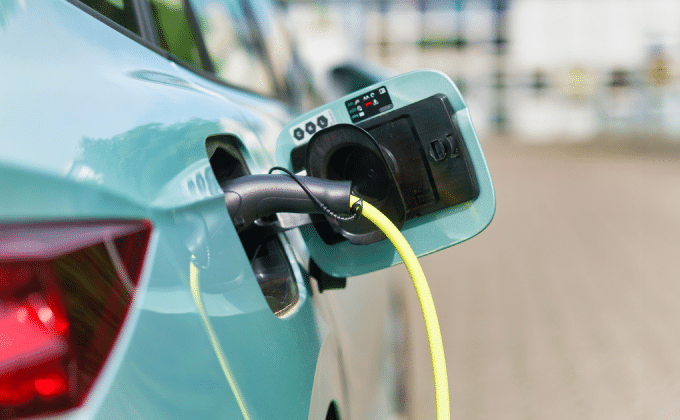
Part of RAP & ICCT’s Benefits of EVs Through Smart Charging Global Project As electric vehicle markets across the globe grow and mature, the challenge to ensure the smooth and effective integration of EVs into the power grid becomes more… View Summary +
In most U.S. states, the utility commission has a formal role to play in reviewing or approving the contents of a utility’s integrated resource plan (IRP). These plans serve as long-term, forward-looking energy strategies that electric utilities use to meet their… View Summary +
近日,国家发展改革委、国家能源局颁布了《关于全面加快电力现货市场建设工作的通知》(发改办体改〔2025〕394号)为现货市场加速发展制定了时间表,要求2025年底前基本实现电力现货市场全覆盖,全面开展连续结算运行。现货市场的建设实践至关重要,有望显著提升电力系统运行效率,更可有效促进可再生能源消纳。然而,相比全国统一电力市场,以省级电力市场为主导的体系可能会导致更多的备用容量和更多对本地煤电的调度,从而产生更高的成本和排放。因此,还需要推进全国统一的电力现货市场,包括消除省间壁垒、完善顶层设计、细化市场规则,并推动市场与电网的联合运行,从多个方面协同发力,持续发挥低成本、低排放和高可靠性的优势。电力市场的改革过程中经常提到“无现货,不市场”;而电力市场发展到现在的关键节点,应进一步认识到,“不统一,枉现货”。 为全国统一电力现货市场制定清晰的路线图 国内外的建模研究显示,在更大的范围内优化跨区输电能带来巨大的效益,包括降低运行成本、减少排放以及减少可再生能源弃电等。经验表明,跨行政边界、覆盖更大地理范围的电力市场能够更充分地利用跨省跨区输电资源,更高效地应对短期内供应侧、需求侧和其他变化,从而进一步释放灵活性,为电网带来更大的利益。 近几年的电力市场政策文件多次提到多层次现货市场的耦合与衔接。国家发展改革委、国家能源局《关于加快建设全国统一电力市场体系的指导意见》(118号文)要求“有序推动国家市场、省(区、市)/区域电力市场建设,加强不同层次市场的相互耦合、有序衔接。”此外,《全国统一电力市场发展规划蓝皮书》提出要“探索在中长期和现货环节形成更为集中高效的申报和出清方式,逐步推动各层次市场从协同运行过渡到联合运行。” 然而,这些要求仍缺乏具体的衔接方案和实施路径,并且没有足够突出现货市场运营和电力系统运行(调度)之间的联系。因此,有必要制定更有权威性、指导性和可操作性的统一全国/区域现货电力市场和调度的顶层设计,以实现统一全国/区域现货电力市场和调度所能带来的收益。 另外,多层级(省、省间、区域、区域间、全国)的电力现货市场和调度在市场设计和协调运行方面面临显著的复杂性。这种复杂性加剧了省内和跨省跨区市场之间的衔接难度,以及各类交易产品间的协调挑战。这不仅为监管提出了更高的要求,也会阻碍建设全国统一电力现货市场的进程。复杂的设计可能为一些利益群体提供操作空间,导致在一些细分市场出现投机和不正当竞争等行为,从而削弱统一市场改革的推进效率。 以区域和省间现货市场为全国统一市场奠定基础 394号文强调了区域电力现货市场在促进资源大范围优化配置方面的作用,提出“在2025年底前,南方区域电力现货市场要启动连续结算试运行,京津冀电力市场要创造条件启动模拟试运行,省间现货市场要实现发电企业参与省间现货购电,并加紧研究售电公司、电力用户直接参与省间现货交易的机制。”目前,南方区域电力现货市场已经进入了长周期结算运行,市场化交易电量不断增加,清洁能源和新型经营主体广泛参与的状态,已经为构建高标准电力市场体系打下了良好基础。南方区域市场始终坚持“边运行、边完善”的原则持续优化交易机制,而围绕省间合同执行以及度电跨省跨区输电成本与经济调度之间的协调问题,可以考虑从这两方面着手,进一步推进市场建设:1)加强电网准则和市场规范,按“谁受益谁分摊”的方式合理分配跨省跨区固定输电成本,并处理好各个不同级别调度中心的关系,打破省间制度性壁垒。2)以区域经济调度为原则,充分利用省间输电资源,这将有助于省间优先购电合同向金融合同转变,在区域范围内实现清洁能源替代高排放高成本的发电资源,并更好地保障区域电网的资源充足和运行安全。 省间现货市场开始正式运行以来获得了广泛的关注。相比南方区域电力市场,国网省间现货在处理省间、省内现货市场,以及省间中长期、现货和辅助服务市场等的关系方面面临更大的挑战。除了省间合同金融化以及扩大省间现货市场交易范围和覆盖主体以外,可能更大的机遇同样在于充分利用跨省跨区输电资源提高系统的灵活性和可靠性,减少成本和排放。目前按照省内预出清、省间正式出清、省内正式出清的时序开展省间现货市场,虽然完成了省内和省间现货在时序上的衔接,但是这种余量优化的方式无法充分发挥省间灵活性资源的潜力。更好的方式是耦合所有省内和省间市场的报价信息,在电网安全约束下,采用同一算法形成国网区域的最低成本运行方案。这样能够显著增加省间日前和实时现货市场的参与度,最终向全电量耦合优化的方向发展。 欧洲深化电力现货市场一体化经验 欧洲电力现货市场也经历了从成员国各自经营的分散市场到聚合为统一市场的艰难过程,虽然还远未达到理想状态, 仍有一些经验值得中国参考。自上个世纪90年代,欧洲开始实施电力市场改革和一体化。2000年中后期,由国家监管机构牵头,和其他利益相关方一起制定了目标市场模式(the electricity target market model),确定了包括泛欧洲统一日前、日内市场、平衡市场以及调度运行的组织模式。这种模式以法律的形式,通过欧盟议会和理事会批准的五个法律包来界定各个市场成员、电网、调度负责人、交易机构以及监管机构的职责,并制定相关的技术标准和规范。 值得一提的是,通过这些市场设计和改革, 欧洲各个成员国需要遵从统一的电网准则和市场规则,这也推动了多个分散的现货市场逐步向统一的现货电力市场和调度转变。如今,欧洲电力市场一体化的进程还在继续。目前,欧洲已经在日前,日内和辅助服务市场实施了统一的市场规则,对各个产品采用统一的平台和调度算法进行优化,为整个社会带来了非常可观的成本节约,并促进了电力系统的安全低碳转型。 为了更好地促进跨成员国输电,更高效地应对短期内的供应侧、需求侧和其他变化,进一步释放灵活性,同时挖掘更深层次的泛欧洲电力市场所能带来的电网效益,欧盟还出台了技术导则,规定了跨成员国输电容量的计算方法和分配方式。最晚到2025年底,输电系统运行商需要在满足电网安全运行的前提下,在各个时间段最少保证70%输电容量用于跨电价区(cross zonal)电力交易,由ACER负责监测评估这项规定的有效实施。这项措施以及其他一系列针对解决输电容量受限和阻塞问题的方法,有助于更好地利用可再生能源发电,减少价格波动,提高电网运行效率和可靠性。 作为2025年2月26日发布的清洁工业协议(Clean Industrial Deal)的一部分,欧盟委员会提出了可负担的能源行动计划(Affordable Energy Action Plan)。其中,欧洲电力市场一体化被再次提上日程。这意味着欧盟要继续推动电网的升级改造和灵活智能应用,加强欧洲各区域市场的协调和合作,制定能源联盟(the Energy Union)的实施方案,以更好地发挥统一电力市场作用,利用低碳低成本的清洁能源,降低终端用能成本。 由于从分散的成员国现货市场起步,相比起一开始就建立地理覆盖更广的区域现货市场来说,欧洲统一市场遇到了较大的挑战。一方面由于欧洲各国政府之间协调困难导致了这一过程进展缓慢。中国有能力“超越” 欧洲,在市场发展初期就注重培育区域电力市场,避免处理多个省级现货市场的复杂关系,进而在更短的时间内形成全国统一的现货市场。394号文要求加快电力现货市场建设为这一进程铺平了道路。 总结… View Summary +

The Regulatory Assistance Project has been bringing clarity to the complexity of the clean energy transition since 1992. By developing data-informed, real-world solutions — that are also cost-effective and reliable — RAP supports the creation of stronger, cleaner and more… View Summary +