
Michał Smoleń joined RAP to work on EU electricity policy and regulation, with a special focus on Poland. His key interests include market design, subsidy schemes, renewable energy integration, and the electrification of the economy. He also has in-depth experience with energy system modelling, policy analysis, industrial policy and just transition. Working with local policymakers and organisations, Michał draws on RAP expertise to support the Polish energy transition.
Prior to joining RAP, Michał worked as the head of the Energy Team at the Polish Economic Institute, a public think tank, on issues related to electricity taxation, industrial competitiveness and energy markets. Before that, he led the Energy & Climate Research Programme at Instrat, a leading Polish NGO energy policy think tank, implementing projects on modelling national transition pathways, ongoing Polish strategic and regulatory developments, and electrification. In those roles, Michał cooperated with a network of Polish and international experts and media. Earlier in his career, Michał gained experience as a PwC Poland Senior Associate in the Public Sector Advisory Team, collaborating with administrations at all levels on issues of development policy, just transition in coal and post-industrial regions, and organisational improvements.
Michał holds degrees from the University of Warsaw in sociology (Master of Arts, with a focus on organisations, markets and labour), philosophy (Bachelor of Arts), and cultural studies (Bachelor of Arts). He is an alumnus of the School for Political Leadership.
He is based in Warsaw, where he lives in the green Żoliborz district with a dog and a cat.
Latest Insights from RAP Experts

Utility Service Obligations in the Large Load Era
(This paper is part of the series Data Centers and the Next Era of Energy Regulation. Find… Read More +
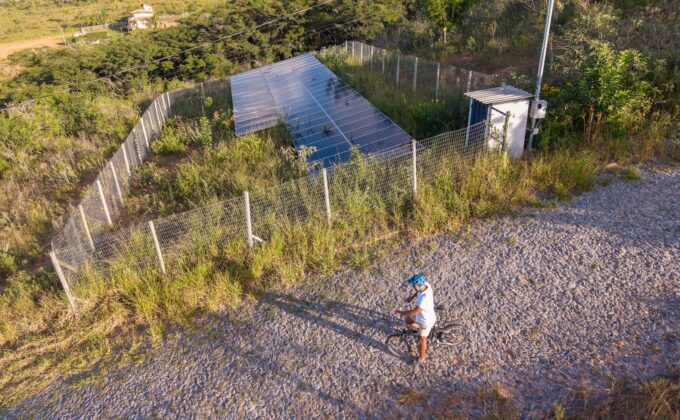
Modernização dos sistemas elétricos isolados do Brasil
Os Sistemas Isolados do Brasil atendem cidades e comunidades, quase todas na Amazônia, que não estão… Read More +
